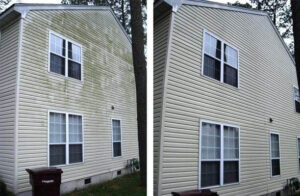
If you've recently had your house professionally washed and noticed that certain areas suddenly look worse than they did before, you're not alone.Many homeowners are surprised when a freshly cleaned home reveals streaks, faded areas, discoloration, or other imperfections that weren't obvious before the cleaning.The good news is that in most cases, pressure washing did not cause the issue.Instead, the cleaning process simply exposed a problem that had been hidden beneath years of dirt, algae, mold, mildew, pollen, and environmental buildup.Understanding why this happens can help homeowners make informed decisions about their property's maintenance and avoid unnecessary concern after a professional cleaning service.
The Most Common Reason: Dirt Was Hiding the Problem
Over time, every home’s exterior collects contaminants.
These may include:
- Dirt and dust
- Mold and mildew
- Algae growth
- Pollen
- Air pollution
- Organic staining
- Road grime
As these contaminants build up, they can create a layer that actually disguises imperfections underneath. Think of it like cleaning an old piece of furniture. Once the dust is removed, scratches and wear become easier to see. The same thing happens with a home’s siding.
After a thorough cleaning, homeowners may suddenly notice:
- Uneven coloring
- Oxidation
- Faded siding
- Previous repairs
- Water stains
- Surface deterioration
- Manufacturing defects
These conditions were usually already present before the cleaning began. The cleaning simply made them visible.
Vinyl Siding Oxidation Is Often the Culprit
One of the most common issues homeowners notice after a house wash is oxidation on vinyl siding.
Oxidation is a natural aging process that occurs when ultraviolet (UV) rays from the sun slowly break down the outer protective layer of vinyl siding over time. Vinyl siding is primarily made from PVC (polyvinyl chloride), and while manufacturers add stabilizers, pigments, and protective coatings to help resist sun damage, no siding is completely immune to years of exposure to the elements.
As the siding ages, the protective surface gradually begins to deteriorate. The pigments that give the siding its color start to break down, and the outer layer becomes chalky, faded, and less reflective. This chalky residue is what homeowners often refer to as oxidation.
Why Homeowners Often Don't Notice It
Oxidation develops gradually over many years. Because the change happens so slowly, most homeowners never notice it occurring. In fact, dirt, algae, pollen, mold, mildew, and environmental contaminants often accumulate on top of the oxidized surface. These contaminants can actually hide the oxidation and make the siding appear more uniform than it really is.
When the house is professionally washed, those contaminants are removed, exposing the true condition of the siding underneath. What appeared to be a clean wall before washing may suddenly reveal:
- White chalky residue
- Tiger-striping
- Uneven coloration
- Faded areas
- Streaking
- Dull or cloudy sections
- Variations in color between walls
Many homeowners mistakenly believe the cleaning caused the problem when, in reality, the cleaning simply uncovered a condition that had been developing for years.
How Long Does Oxidation Take To Appear?
There is no universal timeline. The rate at which oxidation develops depends on several factors, including:
- The quality of the siding
- The manufacturer
- The color of the siding
- Sun exposure
- Climate conditions
- Elevation
- Previous maintenance
- Tree coverage and shade
Higher-quality siding products typically contain better UV inhibitors and protective coatings, allowing them to resist oxidation longer. In some cases, lower-quality siding installed on a south-facing wall that receives full sun throughout the day may begin showing noticeable oxidation in as little as 3 to 5 years.
Higher-quality products in shaded areas may go 10, 15, or even 20 years before significant oxidation becomes apparent. Homes in areas with intense sunlight, large seasonal temperature swings, and frequent weather exposure often experience faster deterioration than homes in more moderate climates.
Not All Sides Of The House Age Equally
Many homeowners are surprised to learn that oxidation may appear on only one side of the home. South-facing and west-facing walls typically receive the most direct sunlight and UV exposure throughout the year. These surfaces often age faster than north-facing walls that remain shaded for much of the day. This can result in one side of the home appearing significantly more faded than another, even though the siding was installed at the same time.
Check Your Manufacturer's Warranty
If oxidation suddenly becomes visible after cleaning, it may be worth researching the manufacturer of your siding. Some siding manufacturers provide warranties that address:
- Excessive fading
- Premature discoloration
- Manufacturing defects
- Surface failures
Warranty coverage varies significantly between manufacturers and product lines. Some warranties provide limited protection, while others may offer longer-term coverage against abnormal fading or deterioration. If your siding is relatively new, locating the original documentation or contacting the manufacturer may be worthwhile.
Be prepared to provide:
- Approximate installation date
- Product information if available
- Photos of the affected areas
- Proof of ownership or installation records
While not every oxidation issue is covered under warranty, homeowners are often surprised to learn that some manufacturers do offer assistance when siding fails prematurely.
How To Test For Oxidation
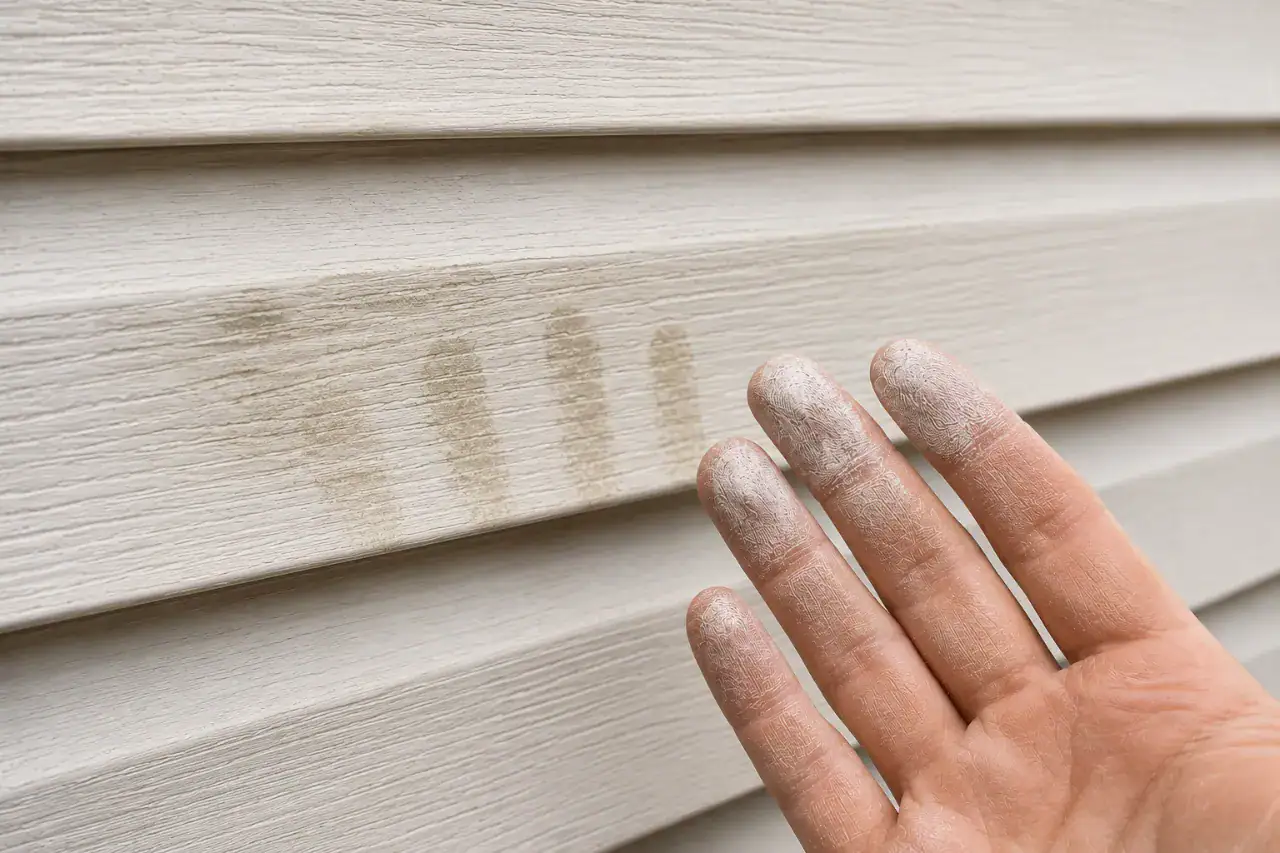
1) A simple field test can help determine whether oxidation is present. Run your hand across a section of siding that appears faded or discolored. If a chalky white residue transfers onto your hand, the siding is likely experiencing oxidation.
2) Another common sign is when a dark-colored cloth or microfiber towel picks up a noticeable white powder after being rubbed against the siding.
3) One of the most overlooked signs of oxidation is how the siding looks when it is wet compared to when it is dry.
Water temporarily darkens the surface and can hide oxidation, making the siding appear newer, richer in color, and more uniform. However, as the siding dries, the oxidation becomes visible again. If your siding looks clean and vibrant when wet but develops a dull, chalky, faded, or streaky appearance as it dries, oxidation is often a contributing factor. This is one of the reasons homeowners sometimes believe pressure washing caused the issue. During the cleaning process, the siding may look great while it is wet. Once the surface dries and the dirt has been removed, the existing oxidation becomes much easier to see.
4) It can also be helpful to compare different sides of the house. South-facing and west-facing walls typically receive the most direct sunlight and often show signs of oxidation sooner than shaded areas. If the siding appears significantly more faded on the sunniest sides of the home, long-term UV exposure may be a major factor.
Did the Pressure Washing Cause the Oxidation?
No. Pressure washing does not create oxidation. The oxidation was already there. Professional cleaning simply removes the dirt that was hiding it. This misunderstanding is extremely common because homeowners often don’t inspect their siding closely until after it has been cleaned. The timing makes it appear that the washing caused the problem when it actually revealed an existing condition.
How Can You Tell the Difference Between Oxidation and Pressure Washing Damage?
While oxidation is often the cause of siding issues that become visible after cleaning, improper pressure washing can sometimes damage vinyl siding. The key is understanding how the two typically look different.
Signs of oxidation often include:
- A chalky white residue on the surface
- Fading or discoloration
- Uneven color from sun exposure
- Siding that looks normal when wet but chalky when dry
- Gradual changes over large sections of the home
Pressure washing damage, on the other hand, is often more localized and may include:
- Distinct wand marks or cleaning patterns
- Zebra striping caused by uneven cleaning
- Gouges or scratches in the surface
- Visible removal of the siding’s finish in specific areas
- Damage concentrated around corners, edges, or areas cleaned at close range
- Cracked, loosened, or warped siding panels
In many cases, pressure washing damage appears immediately and follows the path of the cleaning wand, while oxidation is typically spread across larger areas and is often more noticeable on sides of the home that receive significant sun exposure.
If you’re unsure whether you’re seeing oxidation or actual cleaning damage, it may be helpful to compare heavily sun-exposed areas to shaded portions of the home. If the condition is significantly worse on the sides receiving the most sunlight, oxidation is often a contributing factor.
Professional Soft Washing vs. High Pressure Washing
Many homeowners hear the term “pressure washing” and imagine extremely high pressure being used against their home’s siding. Professional contractors typically use a process called soft washing for delicate surfaces like vinyl siding. Soft washing relies primarily on specialized cleaning solutions rather than high pressure.
Benefits of soft washing include:
- Safe for siding
- Safe for painted surfaces
- Safe for windows
- Effective against algae and mold
- Longer-lasting results
- Reduced risk of damage
At Pro Pressure Washing Solutions, we use cleaning methods designed to remove contaminants while protecting the surfaces being cleaned. Proper technique is critical. The goal is to clean the home—not blast it with unnecessary pressure.
Why a Clean House Is Still Better
Even if oxidation or fading becomes more visible after washing, cleaning is still one of the most important forms of exterior maintenance. Allowing algae, mold, and organic growth to remain on your home can lead to long-term issues.
Routine house washing helps:
- Improve curb appeal
- Protect exterior surfaces
- Prevent premature deterioration
- Extend siding life
- Reduce mold and mildew growth
- Maintain property value
A clean surface also allows homeowners to accurately assess the condition of their property. You can’t properly evaluate siding that is hidden beneath years of buildup.
What Can Be Done About Oxidation?
The solution depends on the severity of the oxidation. In mild cases, specialized oxidation removal techniques may improve the appearance of the siding.
Other options can include:
- Professional oxidation removal
- Vinyl restoration products
- Surface treatments
- Repainting where appropriate
- Siding replacement for severe deterioration
Every property is different, which is why an in-person evaluation is often the best way to determine available options.
How to Avoid Surprises After House Washing
The best way to avoid surprises is to work with a contractor who communicates openly before beginning the project.
An experienced professional should:
- Inspect the property beforehand
- Explain potential concerns
- Identify visible oxidation when possible
- Discuss realistic expectations
- Answer homeowner questions
Not every issue can be identified before cleaning begins, but a thorough inspection can reduce surprises.
Frequently Asked Questions
1) Why does my siding look faded after pressure washing?
The siding was likely already faded. Cleaning removed dirt and organic growth that had been masking the discoloration.
2) Can pressure washing damage vinyl siding?
Improper pressure washing can cause damage. However, professional soft washing methods use low pressure and are designed specifically for cleaning siding safely
3) How do I know if I have oxidation?
A chalky residue on your hand after rubbing the siding is one of the most common signs of oxidation. Visually, when the siding is wet it looks shiny and when it dries the chalky apprearence reveals itself.
4) Can oxidation be removed?
In many cases, oxidation can be improved through specialized restoration techniques, though results vary depending on severity.
5) Should I still wash my house if it has oxidation?
Absolutely. Cleaning removes harmful contaminants and helps maintain the overall condition of the property. Oxidation can then be evaluated separately.
Final Thoughts
If your house looks worse after pressure washing, there’s a good chance the cleaning didn’t create a problem—it simply revealed one that had been hidden for years. Dirt, algae, mold, and environmental buildup can mask oxidation, fading, repairs, and other imperfections. Once those contaminants are removed, the true condition of the surface becomes visible. While this can be surprising at first, it is often a valuable discovery because it allows homeowners to properly evaluate and address underlying issues.
At Pro Pressure Washing Solutions, we believe in honest communication, realistic expectations, and educating homeowners throughout the cleaning process. Our goal is not only to clean your property but also to help you understand its condition and protect it for years to come. If you’re looking for professional house washing in Roanoke, Cave Spring, Salem, Vinton, Hollins, or the surrounding areas, contact Pro Pressure Washing Solutions for a free estimate today.
Looking for More Exterior Cleaning Services?
We provide residential and commercial exterior cleaning services throughout Roanoke and surrounding communities.
Restore your properties curb appeal - Book your professional cleaning service today
We Show up on time, protect your landscaping, and clean your home safely and professionally. FREE ESTIMATES. Fast scheduling. Licensed and insured in Roanoke, VA.
Spots fill up quickly in peak season – lock in your spot now!