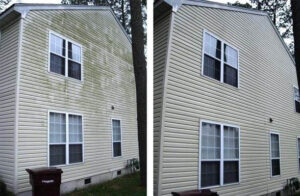

If your vinyl siding looks faded, chalky, streaky, or discolored even after being cleaned, oxidation may be the cause. Many homeowners mistake oxidation for dirt, mold, mildew, or algae, but oxidation is a completely different issue that requires a specialized cleaning process.At Pro Pressure Washing Solutions, we help homeowners throughout Roanoke, VA restore the appearance of their homes by safely removing oxidation from vinyl siding and exterior surfaces.
What Is Vinyl Siding Oxidation?
Vinyl siding is constantly exposed to sunlight, rain, wind, and changing weather conditions. Over time, ultraviolet (UV) rays from the sun break down the outer surface of the siding.
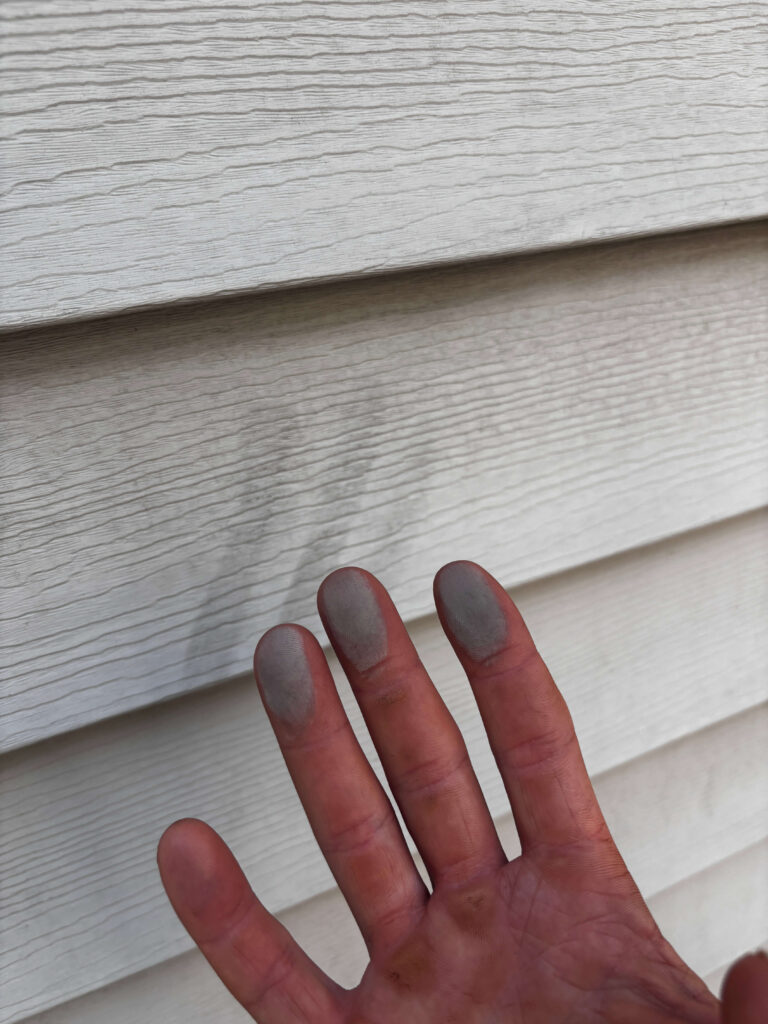
As the surface deteriorates, it develops a chalky layer that can leave a white residue on your hand when touched. This process is known as oxidation.
Oxidation is a normal part of the aging process for vinyl siding, but when it becomes severe, it can make an otherwise well-maintained home appear old, faded, and neglected.
Signs Your Home Has Oxidized Vinyl Siding
Common signs of oxidation include:
- Chalky residue that rubs off on your hand
- Faded or dull appearance
- Uneven coloration
- White streaking below windows and gutters
- Siding that still looks dirty after washing
- Difficulty restoring original color with standard cleaning methods
Many homeowners spend hours scrubbing or pressure washing their siding only to discover that the discoloration remains. In many cases, oxidation is the real culprit.
What Causes Oxidation?
Several factors contribute to oxidation on vinyl siding:
1. Sun Exposure
Vinyl siding is constantly exposed to ultraviolet (UV) rays from the sun. Over time, UV exposure can break down the surface of the siding, causing fading, discoloration, and the chalky residue commonly associated with oxidation. Areas that receive the most direct sunlight may show oxidation sooner than shaded areas.
2. Weather Conditions
Rain, humidity, temperature changes, wind, and other weather conditions can slowly wear down the protective surface of vinyl siding. In Southwest Virginia, changing seasons and high humidity can contribute to the gradual deterioration and oxidation of exterior surfaces.
3. Age of Siding
As vinyl siding gets older, its protective surface naturally begins to break down. Older siding is generally more likely to develop fading, chalkiness, and oxidation, especially after years of exposure to sunlight and changing weather conditions.
4. Siding Quality & Manufacturer
Not all vinyl siding is made to the same standard. Higher-quality siding often uses better UV-resistant additives, pigments, and protective materials that help slow fading and oxidation. Lower-cost siding may have less protection from sunlight and weather, which can cause the surface to become chalky or faded sooner. The manufacturer, product line, thickness, color, and overall quality of the siding can all affect how quickly oxidation begins to show.
5. Lack of Routine Maintenance
Routine exterior maintenance is one of the most important factors in preserving the appearance and condition of vinyl siding. Dirt, algae, mildew, pollutants, and other contaminants can remain on the surface for long periods and contribute to premature deterioration. Regular professional house washing helps remove these contaminants before they become heavily established and also gives homeowners an opportunity to identify fading or oxidation before it becomes severe.
Important: Routine cleaning can help maintain siding, but it cannot completely prevent oxidation caused by age, UV exposure, or the siding itself. Once oxidation is present, a standard house wash may remove organic growth but usually will not remove the oxidation, which requires a separate oxidation-removal process.
Why Does Oxidation Sometimes Appear After House Washing?
One of the most common questions homeowners ask is why their siding suddenly appears faded, chalky, or streaky after having their house professionally cleaned.
House washing does not cause vinyl siding oxidation, the oxidation was already present before the cleaning process began. Over time, dirt, pollen, algae, mildew, and other contaminants can accumulate on the surface of the siding and partially hide the underlying oxidation.
When those layers of contamination are removed during a house wash, the true condition of the siding becomes visible. As a result, homeowners may notice chalky residue, uneven coloration, or faded areas that were difficult to see before cleaning.
This situation is especially common on older vinyl siding that has gone several years without routine exterior maintenance. The house washing process does not create oxidation. Instead, it often reveals oxidation that has been developing gradually for years beneath the surface buildup.
For this reason, professional contractors may identify oxidation during or after cleaning, particularly on older homes or siding that has experienced prolonged exposure to sunlight and weather.
At Pro Pressure Washing Solutions, we have seen this situation on several homes throughout Roanoke, VA, particularly on older vinyl siding that had gone years without routine exterior cleaning. In each case, the oxidation was already present before the cleaning process began, but it became much more noticeable after years of dirt, algae, mildew, and other contaminants were safely removed from the surface.
If oxidation is present, additional restoration methods beyond standard house washing may be necessary to improve the appearance of the siding.
Concerned your siding may have oxidation? We can evaluate your home’s exterior and help determine whether standard house washing or professional oxidation removal is the best solution for restoring your home’s appearance.
Why Standard House Washing Does Not Remove Oxidation
A standard house wash is designed to remove:
- Mold
- Mildew
- Algae
- Dirt
- Pollen
- Cobwebs
- Organic growth
Oxidation is different.
Because oxidation is a deteriorated layer of the siding itself, it often requires specialized detergents, restoration products, and cleaning techniques that go beyond traditional house washing.
Simply increasing pressure is not the solution. Excessive pressure can damage siding, force water behind the panels, and create unnecessary risk.
The Dangers of Improper Oxidation Removal
Attempting to remove oxidation without proper knowledge and equipment can lead to:
- Zoro marks
- Uneven appearance
- Permanent streaking
- Surface damage
- Premature siding wear
- Increased fading
Many DIY methods found online can actually make the problem worse.
For this reason, oxidation removal should be approached carefully and tested in small areas before treating an entire home.
Our Vinyl Siding Oxidation Removal Process
At Pro Pressure Washing Solutions, we use a careful restoration process designed to improve the appearance of oxidized siding while minimizing the risk of damage.
Our process may include:
1. Inspection
We evaluate the severity of oxidation and determine whether restoration is a practical option.
2. House Washing & Test Area
Before testing oxidation removal, the siding must first be properly cleaned so dirt, algae, mildew, and other surface contaminants do not interfere with the test. Once the house wash is complete and the surface is clean, we treat a small test area to see how the siding responds and to establish realistic expectations before moving forward with the full oxidation removal process.
3. Specialized Oxidation Removal Solution
Before testing oxidation removal, the siding must first be properly cleaned so dirt, algae, mildew, and other surface contaminants do not interfere with the test. Once the house wash is complete and the surface is clean, we treat a small test area to see how the siding responds and to establish realistic expectations before moving forward with the full oxidation removal process.
4. Controlled Cleaning Techniques
After the oxidation-removal solution is applied, the siding is gently agitated by hand using soft brushes or pads across the treated surfaces. This helps lift the chalky oxidized material without relying on damaging high pressure. The siding is then carefully rinsed to reveal a cleaner, more uniform appearance.
5. Final Inspection
After treatment, we inspect the siding for consistency and determine whether any areas would benefit from additional treatment.
Can Oxidation Be Completely Removed?
Oxidation removal can dramatically improve the appearance of many vinyl siding surfaces, but results depend on the age, condition, quality, and severity of the oxidation.
In some cases, years of UV exposure and weathering may permanently affect the siding or the pigment within the material. This means oxidation removal may not always restore the siding to a completely new appearance.
That is why we perform a test area before completing larger sections. Our goal is to establish realistic expectations and determine how much improvement can safely be achieved before proceeding with the full oxidation removal process.
What Makes Oxidation Removal Different From House Washing?
Standard house washing and oxidation removal are two different services.
A professional house wash is designed to remove organic growth and surface contaminants such as algae, mildew, mold, dirt, pollen, and other exterior buildup. These contaminants can normally be treated using professional cleaning solutions and a controlled low-pressure rinse.
Oxidation is different because it is not simply dirt sitting on top of the siding. It is the result of the siding’s outer surface breaking down over time from UV exposure, age, and weathering.
Once oxidation is present, a normal house wash generally will not remove the chalky oxidized layer. A separate restoration process is required.
Oxidation Removal Requires Additional Labor
Oxidation removal is much more labor-intensive than a standard house wash.
After the home has been properly cleaned, a specialized oxidation-removal solution must be applied to the affected siding. The treated surfaces are then gently agitated by hand using soft brushes or pads to help lift the oxidized material.
Depending on the size of the home and severity of the oxidation, this can require manually working across large sections of siding.
This additional labor, specialized chemistry, and controlled cleaning process is why oxidation removal is priced separately from standard house washing.
How Can You Tell If Your Vinyl Siding Is Oxidized?
One of the easiest ways to identify oxidation is to gently rub your hand or a clean cloth across the siding.
If a chalky or powdery residue comes off onto your hand or cloth, the siding may be oxidized.
Other common signs include:
- Faded or dull-looking siding
- Chalky white residue
- Uneven discoloration
- Vertical streaks or striping
- Areas that still look faded after washing
- Noticeable differences between shaded and sun-exposed sides of the home
Oxidation is often most noticeable on sides of the home that receive the greatest amount of direct sunlight.
Can Pressure Washing Damage Oxidized Vinyl Siding?
Yes. Using excessive pressure on oxidized siding can create permanent-looking streaks, lines, or uneven areas.
High pressure may remove oxidation inconsistently, leaving visible pressure-washer marks across the siding. This is sometimes referred to as oxidation striping or wand marks.
For this reason, oxidized vinyl siding should not be treated like concrete or other durable hard surfaces.
Our process relies on the proper cleaning solutions, controlled low pressure, and manual agitation rather than attempting to blast oxidation away with high pressure.
Can Oxidation Come Back?
Oxidation removal removes the existing oxidized material from the surface, but it cannot stop the natural aging process of vinyl siding.
Over time, continued exposure to sunlight, heat, moisture, and changing weather conditions may cause oxidation to develop again.
Routine exterior maintenance can help keep the siding clean and make changes in its condition easier to identify, but no cleaning process can permanently prevent oxidation caused by UV exposure and material aging.
Is Oxidation Removal Worth It?
For many homeowners, oxidation removal can be a cost-effective way to significantly improve the appearance of older vinyl siding without immediately replacing it.
In some cases, professional oxidation removal may be a practical alternative to replacing all of the vinyl siding, especially when the siding is still structurally sound but has become faded, chalky, or uneven in appearance.
It may be especially worthwhile when:
- The siding is structurally sound but looks faded or chalky
- The home is being prepared for sale
- Curb appeal is important
- A previous cleaning revealed noticeable oxidation
- Replacement siding is not currently necessary or practical
Before making a decision, I highly recommend speaking with a professional, such as Pro Pressure Washing Solutions, to evaluate the condition of the siding and go over the available options.
Every property is different, which is why an inspection and test area are important before committing to a full restoration.
Request a Free Oxidation Removal Estimate
If you are dealing with faded or oxidized vinyl siding, contact Pro Pressure Washing Solutions to schedule an evaluation.
We will inspect the siding, determine the severity of the oxidation, and explain what level of improvement may realistically be possible.
Request a free estimate today to learn whether oxidation removal is the right option for your home.
Restore your properties curb appeal - Book your professional cleaning service today
We Show up on time, protect your landscaping, and clean your home safely and professionally. FREE ESTIMATES. Fast scheduling. Licensed and insured in Roanoke, VA.
Spots fill up quickly in peak season – lock in your spot now!
Looking for More Exterior Cleaning Services?
We provide residential and commercial exterior cleaning services throughout Roanoke and surrounding communities including Cave Spring, Salem, Vinton, and Bonsack, and other nearby areas.